
“Don’t Ask Questions on The Things That Matter…”
As a parent teaching four children with different personalities, ages and learning styles, I’ve often been asked about my approach. Honestly, it just happens naturally. But one technique that consistently works well for us is providing clear directions followed by choices.

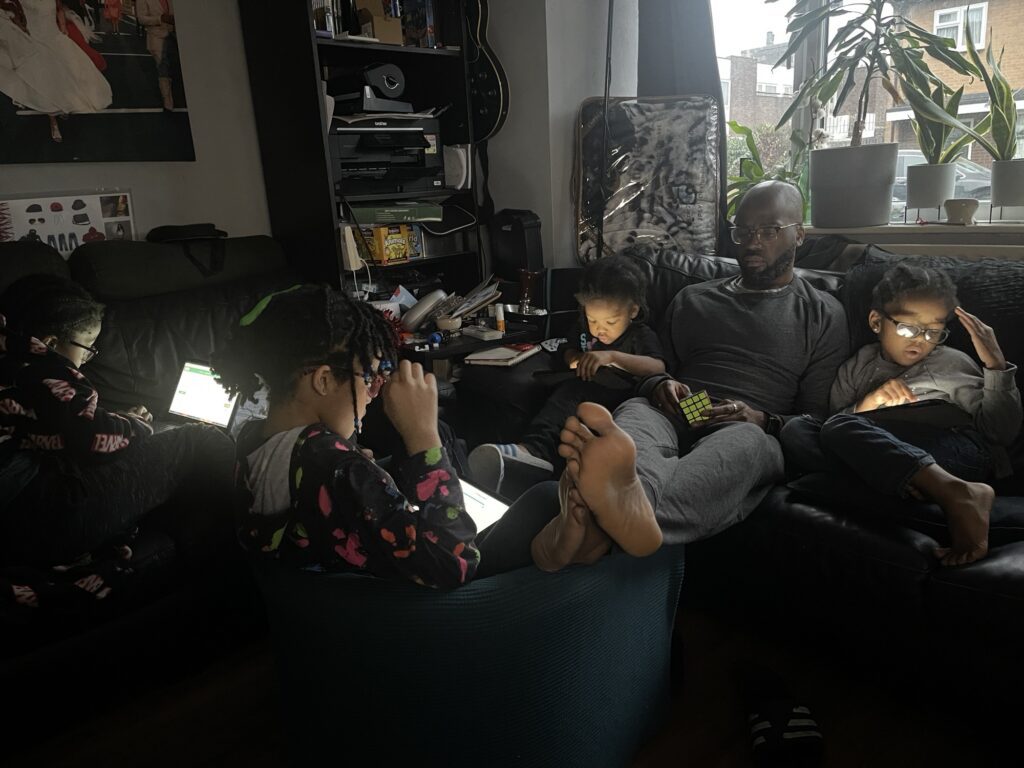
For instance, if I ask, “Are you ready to do Learning?” I’m essentially making it optional. When it’s not optional, I prefer to be direct and say, “It’s time to do our learning.” I make sure to provide specific directions on what we’re doing. For example, we often use IXL for learning. I’d say, “It’s time to do IXL. You’re going to complete 3 modules in English and 3 in Maths. Once you finish 3, you can play some IXL games, then complete your next three, and so on…”
Allowing them to choose whether to start with Maths or English offers a sense of control within the structured activity. On some days, I let them pick what they want to do, but to avoid saying no to every option, I present three choices that I can agree to. If it’s a more relaxed day where they can play with sand or play dough, watch TV, or use their iPads, I leave it open-ended and ask what they want to do.
Directions vs Statements
The way questions are framed makes a significant difference. Asking, “Are you ready to eat?” when I need everyone to eat together is not effective. Instead, I might say, “It’s time to eat now. Would you like a spoon or fork?” or “Do you want lemon or lime water?” These are the choices they get to make.
Encouraging Healthy Choices
When it comes to eating vegetables, I involve the kids in the selection process. They choose two or three vegetables to cook for dinner. This prepares them for the meal and gives them a sense of control. I never ask if they want vegetables; at this stage, they’re used to them and would say yes.

Similarly, when it comes to snacks, I avoid open-ended questions like, “What do you want for a snack?” Instead, I offer a choice between two healthy options: “Would you like an apple or a banana?” This encourages healthy eating habits while still giving them a sense of autonomy.
Encouraging Positive Habits
This method of guidance extends beyond learning and daily routines; it’s pivotal in instilling positive habits. Take bedtime, for instance. Instead of asking, “Do you want to go to bed?” which implies choice where there isn’t one, I say, “Bedtime is fast approaching. Do you want to read a story together or read in bed?” This way, they’re involved in the process, making the transition smoother and more agreeable.
Incorporating Responsibility
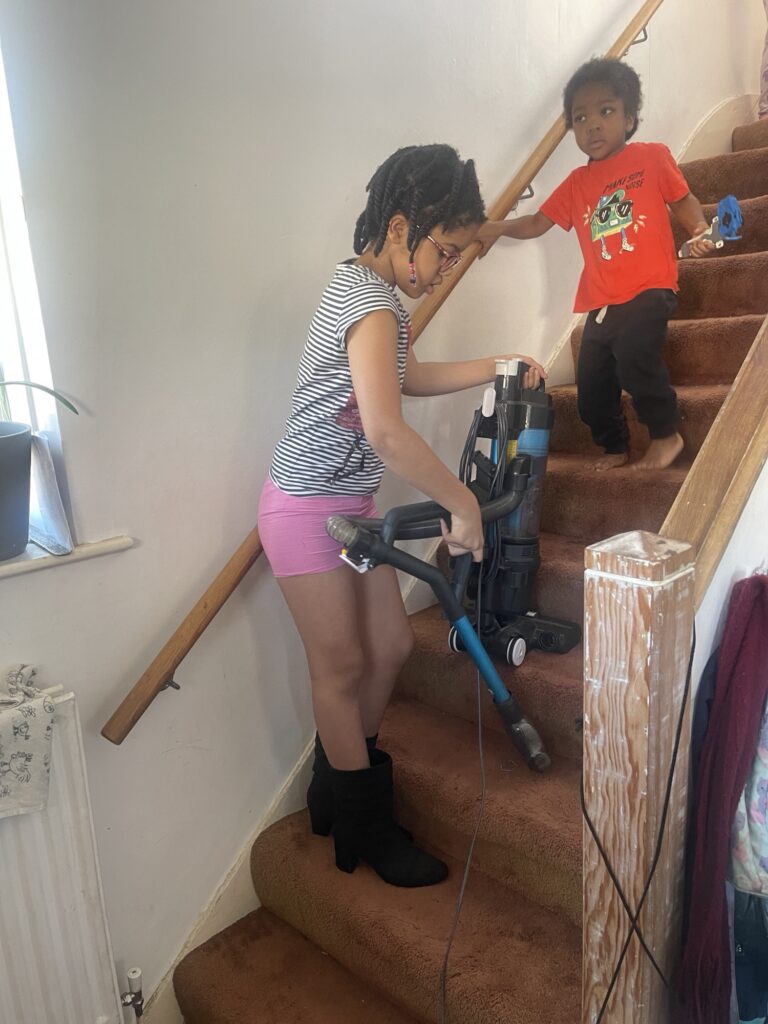
Another aspect I focus on is responsibility. For chores, instead of a broad, “Can you help with chores?” I specify, “It’s time to help out. Would you like to water the plants or help with folding clothes?” By providing specific choices, I’m teaching them not only to contribute to household tasks but also to make decisions and understand the value of work. Often, for tidying up, I provide clear instructions with a choice: “Guys, it’s time to tidy up. The bedroom, hallway and dining room need straightening up. Where do you want to start?”
Allowing Room for Negotiation
I also believe in allowing room for negotiation in certain situations. For instance, if we’re planning a family outing and the kids want to visit different places, I might say, “We can go to the park or the museum today. Which one shall we choose?” This teaches them the art of negotiation and compromise, especially when I need 3 of the 4 to agree on a location. Very valuable skills for their future.
Encouraging Positive Habits and Responsibility
What I’ve found most effective in this approach is the predictability it offers to my children. They know that they will always have a say within the boundaries set. This predictability provides a sense of security and helps them understand that while they have choices, there are also non-negotiables in our routine.
In essence, this approach of guiding with purpose (giving clear directions followed by limited choices) has been instrumental in our family. It respects the children’s decision making abilities while ensuring that essential tasks are completed. This method not only creates independence and responsibility but also strengthens our family bond, rooted in mutual respect and understanding.
I’d love to know if this is something you incorporate into your parenting. If not, I would be curious to learn about the strategies you use to nurture healthy decision-making in your children.
Happy Parenting!
Kylie | Kynda Mum
No comments yet — be the first!